
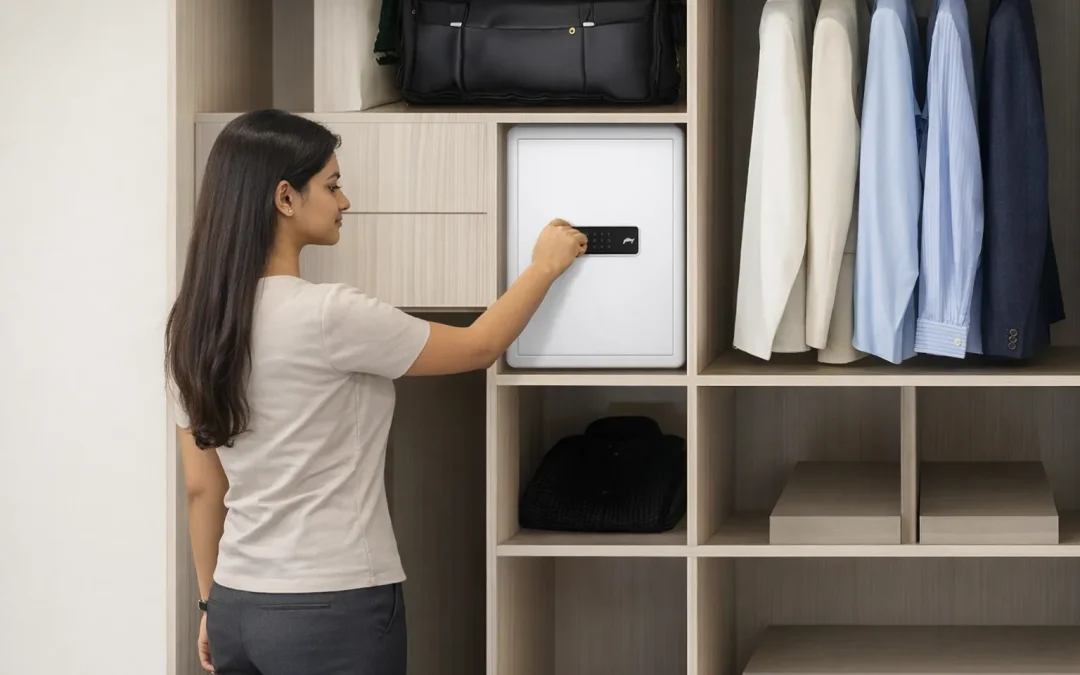
How to Install a Home Locker – Step by Step Instructions
India’s Most Trusted Home Locker Installation Guide by Senior Agency
🔐 Ghar ki safety apne haath mein lo! Locker lagao, tension bhagao! Apne gold, cash aur documents ko surakshit rakho — sirf 7 easy steps mein seekho how to install a home locker! Ek baar sahi installation, lifetime ki peace of mind! 💪
Follow Us for Latest Updates:
📸 Instagram |
💼 LinkedIn |
▶️ YouTube
📑 Table of Contents
Why Install a Home Locker?
Personal and home safety should always be a priority, not an afterthought. Both are directly linked to your happiness quotient, letting you and your loved ones live with greater peace and joy! According to recent surveys, over 41% of Indian households consider home lockers essential for protecting valuables like gold jewellery, important documents, emergency cash, and sentimental items. Understanding how to install a home locker can make the difference between peace of mind and constant worry.
A properly installed home locker provides multiple layers of security that simple cupboard locks cannot match. When you learn how to install a home locker correctly, you create a fortress for your most precious belongings. Whether you live in a bustling city apartment or a peaceful suburban home, investing time in understanding how to install a home locker pays dividends for years to come. As per security surveys, close to one-third of respondents are interested in upgrading their current security measures to prevent future mishaps.
Benefits of Home Locker Installation
- Fire Protection: Many lockers offer fire-resistant features that protect your valuables from fire damage
- Theft Deterrent: Properly anchored lockers are nearly impossible to remove without professional equipment
- Organization: Keep all valuables in one secure location for easy access when needed
- Insurance Benefits: Some insurers offer discounts for secured valuables with proper home locker installation
- Peace of Mind: Sleep better knowing your treasures are protected by a reliable security solution
- Document Safety: Protect important papers like property documents, certificates, and legal papers
Types of Home Lockers Available
Before diving into how to install a home locker, understand the different types available in the market. Each type has specific installation requirements that affect how to install a home locker in your specific situation:
- Digital Lockers: Feature keypad or biometric access with electronic security systems
- Mechanical Lockers: Use traditional key locks with reliable mechanical mechanisms
- Hybrid Lockers: Combine both digital and mechanical technologies for maximum security
- Fire-Resistant Safes: Specially designed to protect valuables from fire damage
- Wall-Mounted Safes: Space-saving options that can be concealed inside wardrobes
- Floor Lockers: Heavy-duty options ideal for maximum security requirements
Pre-Installation Preparation
Success in learning how to install a home locker begins with thorough preparation. Before touching any tools, you must gather information, assess your space, and plan every detail. This preparation phase ensures your installation proceeds smoothly and results in maximum security for your valuable possessions.
Essential Tools and Materials
Gathering the right tools is crucial when preparing for how to install a home locker. Here’s your complete checklist for proper home locker installation:
- Heavy-duty drill with masonry bits for concrete and brick surfaces
- Spirit level for precise alignment during installation
- Measuring tape and marking pencil for accurate positioning
- Concrete anchors and expansion bolts for secure mounting
- Wrench set and screwdrivers for fastening components
- Safety goggles and work gloves for personal protection
- Stud finder for wall installations to locate structural support
Reading the Manufacturer’s Manual
Every home locker brand has specific installation guidelines. Before attempting how to install a home locker, read the entire manual carefully. Pay special attention to weight specifications, anchoring requirements, and warranty conditions. Improper installation may void your warranty and compromise security. Each model, whether it’s a compact 10x or a heavy-duty 250x locker, has unique requirements that must be followed for optimal performance.
Structural Assessment Requirements
Your installation surface determines success when learning how to install a home locker. Concrete floors and brick walls are ideal anchoring surfaces. Avoid installing on drywall, plywood, or hollow structures as they cannot support the locker’s weight or resist tampering attempts. The surface must be solid and capable of holding heavy anchors without cracking or loosening over time.
Choosing the Perfect Location
Location selection is perhaps the most critical aspect of how to install a home locker. The perfect spot balances concealment with accessibility — hidden from intruders but convenient for family members. This decision requires careful thought and planning to ensure maximum security without compromising daily convenience.
Best Locations for Home Locker Installation
| Location | Security Rating | Recommendation |
|---|---|---|
| Master Bedroom Wardrobe | ⭐⭐⭐⭐⭐ | Highly Recommended |
| Walk-in Closet | ⭐⭐⭐⭐⭐ | Excellent Choice |
| Under Staircase | ⭐⭐⭐⭐ | Good Option |
| Study Room Cabinet | ⭐⭐⭐⭐ | Suitable Choice |
| Living Room Corner | ⭐⭐ | Avoid This Location |
| Near Main Entrance | ⭐ | Never Recommended |
Wall vs. Floor Installation Decision
When determining how to install a home locker, choose between wall-mounting and floor-anchoring based on your locker’s weight and size. Heavy lockers (100kg+) should always be floor-anchored, while lighter models can be wall-mounted inside wardrobes or cabinets for better concealment. Lockers from quality brands have anchoring provisions (holes at the back and bottom) for securely fixing to walls, floors, or inside furniture.
Measuring and Site Preparation
Home lockers are normally installed in concealed or discreet locations. The most important installation step is measuring and marking the exact location where the home locker needs to be installed. Post measurement, it is recommended to remove any hindrances like carpets, floorboards, or furniture so that you or the designated technician can smoothly install the home locker without obstacles.
Step-by-Step Installation Process
Now comes the practical application of how to install a home locker. Follow these detailed steps for a secure, professional-grade installation that protects your valuables effectively. Whether you choose professional installation or DIY, understanding each step ensures the best results for your home security needs.
Step 1: Mark the Installation Spot
Using your measuring tape and pencil, mark the exact position where your locker will sit. Double-check measurements against the locker’s dimensions. This precision is fundamental to how to install a home locker successfully. Consider the door swing direction and ensure adequate space for opening and closing without obstruction.
Step 2: Prepare the Surface
Clear the area completely. Remove any carpets, furniture, or obstructions. Clean the surface thoroughly to ensure proper anchor grip. For floor installations, ensure the surface is level using your spirit level. Any unevenness can affect the locker’s stability and door alignment over time.
Step 3: Drill Anchor Holes
Position the locker and mark the anchor hole locations through the pre-drilled holes in the locker base or back. Remove the locker and drill holes to the depth specified in your manual. Use appropriate drill bits for concrete or brick surfaces. For 100x and 250x lockers, use heavy-duty concrete anchors for maximum holding strength.
Step 4: Insert Anchors and Position Locker
Insert expansion anchors into the drilled holes. Carefully position the locker over the anchors, aligning the locker’s holes with the installed anchors. This alignment is critical in how to install a home locker properly. Ensure the locker is level and properly aligned before proceeding to the next step.
Step 5: Secure with Bolts
Insert bolts through the locker’s anchor holes and tighten using a wrench. Tighten in a cross pattern to ensure even pressure on all anchor points. Do not over-tighten as this may damage the locker or strip the anchors. For heavier models, use all available anchor points for maximum security.
Step 6: Verify Stability
Once secured, try to move or shake the locker. A properly installed locker should feel completely immovable — like it’s part of the structure itself. This stability test confirms you’ve mastered how to install a home locker. If there’s any movement, recheck all anchor points and tighten as necessary.
Testing Your Installation
After completing the physical installation, thorough testing ensures everything functions correctly. This testing phase is the final checkpoint in how to install a home locker properly. Don’t skip these tests — they ensure your valuables will be secure when it matters most.
Lock Mechanism Testing
Test your lock multiple times using all access methods — keypad codes, biometric scans, or physical keys. Each method should work smoothly and reliably. For digital lockers, test the emergency backup access as well. Change the default password on your digital locker immediately after installation for enhanced security.
Door Operation Check
Open and close the door several times. It should swing freely without rubbing against surfaces or requiring excessive force. Proper door alignment confirms successful completion of how to install a home locker. Additionally, there should be sufficient space for the door to open fully, allowing you to store and access your valuables with ease.
Professional Installation vs DIY
It is recommended to have the locker installed by a professional service technician. This ensures that the unit is properly anchored and fitted while maintaining confidentiality in the installation process. Relying on local, unverified workers could compromise both the quality of installation and the safety of the locker. Professional technicians from authorized service centers understand the proper techniques for how to install a home locker correctly.
Recommended Safety & Storage Products for your valuables.
🛒 Trusted Products from Senior Agency for Secure Storage
Choosing the right protection for your festive gold is crucial. Below are expert-recommended lockers, safes, and cash security solutions from Senior Agency that offer superior protection beyond traditional cupboards—perfect for jewelry and gold safety.
- Godrej Cash Box (Key Lock) – Compact Security for Daily Valuables
- Godrej Centiguard 1060 Digital Locker – Advanced Electronic Gold Protection
- Godrej Centiguard 1060 Key Lock Locker – Strong Mechanical Security
- Godrej Centiguard 445 KL – Affordable Home Locker for Gold Storage
- Godrej Centiguard 560 Digital Home Locker – Ideal for Festive Jewelry
- Godrej Citadel 45 V2 – Heavy-Duty Safe for High-Value Gold
- Defender Prime Neutronics Class C Safe – Bank-Grade Gold Security
- Godrej Dream Box GS4 Key Lock – Compact Locker for Daily Jewelry
- Godrej Dream Box Digital (Pink) – Stylish Electronic Gold Locker
- Godrej E-Swipe Home Locker – Smart Swipe Technology for Easy Access
- Godrej Matrix 1814 Digital Locker – Premium Electronic Gold Protection
- Godrej Matrix 1814 Key Lock – Classic Mechanical Home Safe
- Godrej Matrix 2414 Large Key Lock Safe – Ideal for Family Gold Storage
Safety Tips & Maintenance
Learning how to install a home locker is only the beginning. Proper maintenance and smart security practices ensure your locker serves you effectively for decades. Regular care extends the lifespan of your security investment and maintains optimal protection for your valuables.
Essential Security Practices
- Change Default Passwords Immediately: Never use factory-set codes on digital lockers after installation
- Update Codes Regularly: Change access codes every 3-6 months for enhanced security
- Limit Access: Share codes only with trusted family members who need regular access
- Battery Maintenance: Check and replace batteries before they die completely to avoid lockouts
- Keep Spare Keys Safe: Store backup keys in a separate secure location away from the locker
- Regular Inspections: Check anchor bolts and hinges monthly for any signs of loosening
Long-Term Maintenance Schedule
Create a maintenance calendar for your home locker. Monthly checks should include lock operation, door alignment, and anchor stability. Annual professional servicing ensures all components function optimally and extends your locker’s lifespan significantly. If you’re using a digital locker, make sure to regularly check the battery compartment and confirm that the batteries can be easily replaced when required.
Surface Strength Requirements
If you are looking to install the locker on a ground, it must be fixed on a solid surface — reinforced concrete, strong brick walls, or tiled flooring. Avoid weak walls like plywood or drywall since they can’t hold the locker’s weight or resist tampering. Wall plugs or concrete anchors may also be used to strengthen the installation for enhanced safety.
Conclusion: Master How to Install a Home Locker
Congratulations! You now have complete knowledge of how to install a home locker professionally and securely. From preparation to testing, each step contributes to creating an impenetrable fortress for your valuables. Remember, the quality of your installation directly impacts your security — never rush or cut corners when learning how to install a home locker.
Whether you’re installing a compact jewellery safe or a heavy-duty floor locker, the principles of how to install a home locker remain consistent: thorough preparation, precise execution, and diligent testing. Follow this comprehensive guide, and your home locker will provide decades of reliable protection for your gold, cash, documents, and other precious belongings. Securing your valuables starts with more than just buying a locker — it’s about installing it the right way, in the right place, and using it responsibly.
For professional installation assistance or to purchase premium home lockers, visit SeniorAgency.in or call +91 98210 12193. Our experts are ready to help you secure your valuables the right way with quality products and professional installation services!
🔐 Ready to Secure Your Home?
Get expert guidance on how to install a home locker from India’s trusted security specialists! Protect your gold, jewellery, and important documents today.
📱 Follow & Subscribe for More Tips!
❓ Frequently Asked Questions
Q: How long does it take to install a home locker?
A: Professional installation typically takes 30-60 minutes depending on locker size and surface type. For DIY installation, allow 1-2 hours including preparation and testing phases when learning how to install a home locker properly.
Q: Can I install a home locker myself?
A: Yes, with proper tools and this comprehensive guide on how to install a home locker, DIY installation is possible for lighter models. However, professional installation is recommended for heavy lockers (100x and 250x models) to ensure proper anchoring and security.
Q: What surface is best for locker installation?
A: Reinforced concrete floors and solid brick walls provide the strongest anchoring for home lockers. The surface must be capable of supporting the locker’s weight and holding anchor bolts securely without cracking or loosening over time.
Q: How often should I service my home locker?
A: Monthly self-checks and annual professional servicing are recommended for optimal performance. Regular maintenance ensures your lock mechanism works smoothly and your anchors remain tight for long-term security.
Q: Should I choose wall-mount or floor installation for my locker?
A: Heavy lockers (100kg+) should be floor-anchored for maximum security, while lighter models can be wall-mounted inside wardrobes or cabinets. Consider your space, security needs, and the locker’s weight when deciding how to install a home locker.
Q: What is the best location for a home locker?
A: Master bedroom wardrobes, walk-in closets, and under-staircase areas are ideal locations. Avoid visible areas like living rooms or near entrances. The location should be discreet yet easily accessible to you and trusted family members.
When it comes to home locker installation in Indian households, incorporating the right hashtags can help you connect with experts, share tips, and explore resources on social media. For determining the safest location in an Indian home, consider using #HomeLockerSafetyIndia and #SecurePlacementTips to discuss discreet spots like behind furniture or in less-accessible rooms.
If you’re debating whether to install it yourself or hire a professional, tags like #DIYvsProfessionalIndia and #SafeInstallationAdvice can guide your decision based on local regulations. For DIY enthusiasts, essential tools and materials might include drills and anchors, so leverage #DIYHomeLockerTools and #InstallationMaterialsIndia for shopping lists and tutorials.
Step-by-step instructions for a wall-mounted locker could be shared under #WallMountGuideIndia and #EasyInstallationSteps, emphasizing proper anchoring techniques. When choosing the best wall type for security, focus on solid concrete or brick walls with hashtags like #StrongWallOptions and #SecureMountingIndia to ensure stability. To hide your locker for added security in Indian homes, explore #ConcealedLockerIdeas and #HiddenSafeTips, such as integrating it into wardrobes or false walls.
Avoid common mistakes by following #InstallationErrorsToAvoid and #ProTipsIndia, which cover issues like improper wiring or weak fixtures. Professional installation costs in India typically range from ₹5,000 to ₹15,000 depending on the locker size and location, so check #LockerInstallationCostIndia and #BudgetSafeSetup for estimates.
When buying a locker, prioritize safety features like digital locks and fire resistance with #BestHomeLockersIndia and #SecurityFeaturesGuide. Finally, for maintenance and servicing, use #LockerCareTips and #PostInstallationMaintenanceIndia to learn about regular checks and professional servicing schedules. By engaging with these hashtags, you can build a community around #IndianHomeSecurity and #SafeLivingEssentials.